
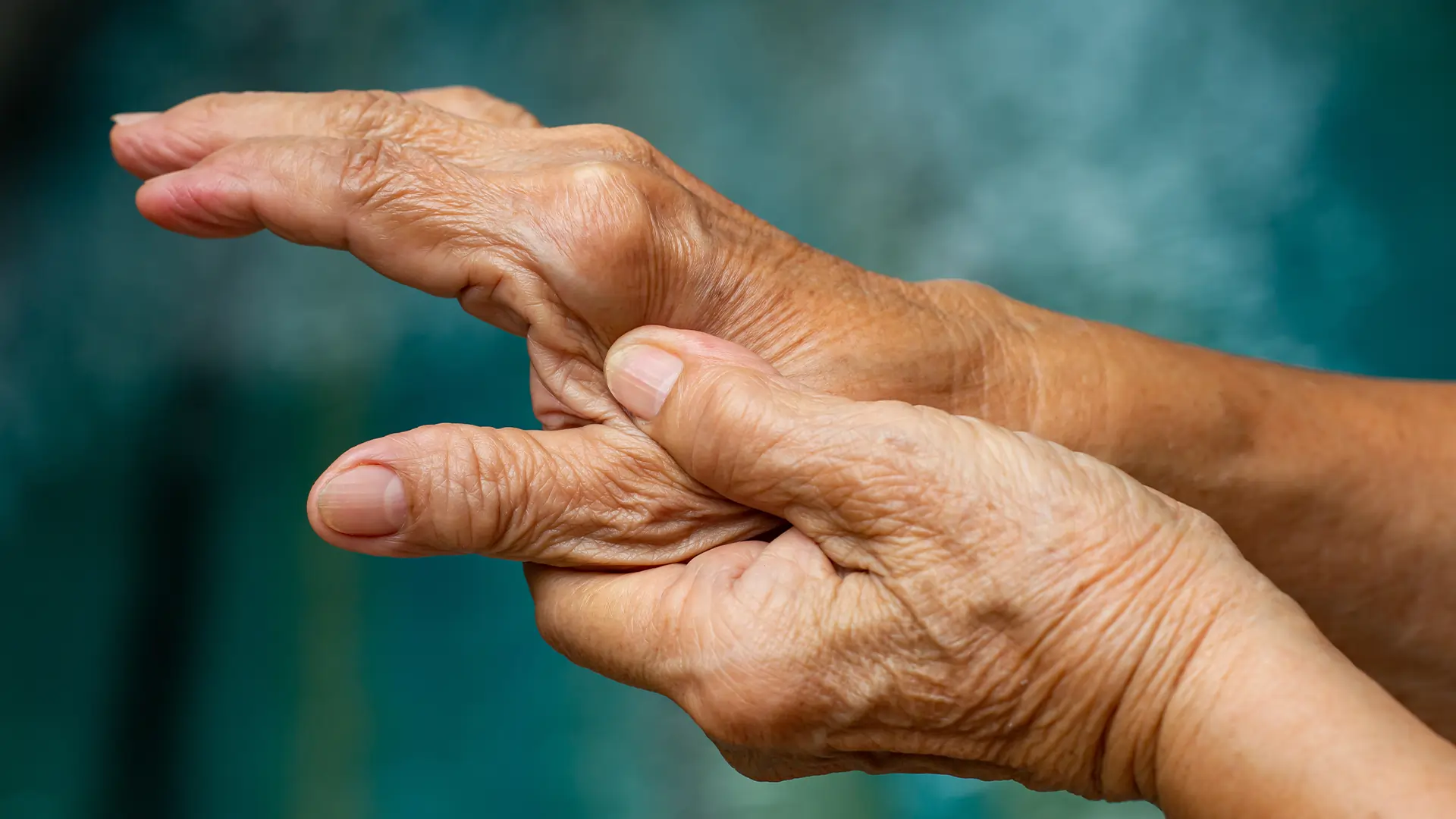
As anyone with it knows, arthritis can make even the simplest daily activities feel difficult, such as walking, climbing stairs, or gripping objects. While traditional treatments often focus on managing symptoms, they fall short of treating the root of the problem.
Because of this, many people are now exploring regenerative solutions, such as PRP therapy for arthritis, to address the underlying issue and support the body’s natural healing process.
What Is Arthritis & Why Treatments Fall Short
Arthritis is a broad term for conditions that cause inflammation, stiffness, and pain in one or more joints. It can develop gradually over time as cartilage, or the protective tissue that cushions the ends of bones, breaks down, or it can result from the immune system mistakenly attacking joint tissue.
Traditional treatments, like pain medications, corticosteroid injections, and even surgery, can provide relief, but they usually have limitations. These limitations are fueled by the fact that medications tend to only mask symptoms. Further, repeated steroid use can weaken tissues over time.
This gap in long-term, sustainable relief is why many patients are turning to regenerative medicine for arthritis—seeking options that support healing rather than simply managing discomfort.
What Is PRP Therapy?
PRP (platelet-rich plasma) therapy is a non-surgical arthritis treatment that uses your body’s own healing components to promote tissue repair.
The PRP injection process begins with a simple blood draw. That blood is then placed in a centrifuge to separate and concentrate the platelets, or cells rich in growth factors that play a key role in healing. The concentrated platelet-rich plasma is then injected directly into the affected joint and surrounding connective tissue.
These biologically active components, including growth factors, immediately help stimulate the body’s natural repair processes, ultimately supporting the regeneration of damaged tissue with the goal of decreased inflammation and pain.
How Effective Is PRP for Arthritis?
PRP’s effectiveness can vary depending on the severity of arthritis, the joint being treated, and the individual’s overall health. However, many patients report noticeable improvements in pain, mobility, and function after PRP therapy.
For those with mild to moderate osteoarthritis, research suggests that PRP may be particularly beneficial where there’s sufficient healthy tissue to stimulate repair. Compared to traditional injections, PRP may provide longer-lasting relief by promoting healing at the cellular and connective tissue level. The resultant increased joint stability then targets inflammation and reduces pain.
PRP can slow the progression of arthritis by supporting the regeneration of joint tissues and offers a promising option for those seeking non-surgical pain relief in Austin and beyond.
Am I a Candidate for PRP Therapy?
Ideal candidates typically include those with mild to moderate arthritis who wish to maintain mobility and an active lifestyle.
You may benefit from PRP therapy if you:
-
- Have ongoing joint pain that hasn’t responded completely to medications or physical therapy.
-
- Want a non-surgical arthritis treatment option.
-
- Would like a more natural, regenerative approach.
-
- Prefer to use your body’s own healing mechanisms.
However, PRP may not be suitable for everyone. Those with advanced joint degeneration or certain medical conditions may require alternative treatments, making a thorough evaluation essential.
What Does PRP Treatment at CHARM in Austin Look Like?
At CHARM, PRP therapy is approached with a focus on personalized care and precision. The process begins with a detailed consultation to understand your symptoms, medical history, and treatment goals.
If your physician recommends PRP for your arthritis, the procedure itself takes just a couple of hours. This visit includes a blood draw, processing your platelet-rich plasma in our proprietary in-house lab for optimal volume and cell counts, and precision-guided injection into the targeted joint.
Most patients are able to perform normal activities shortly after receiving PRP treatment, although some temporary soreness at the injection site is common. Over the following weeks, the body begins its natural healing response, which may lead to reduced pain and improved joint function.
Take the Next Step Toward Lasting Arthritis Relief in Austin
Living with arthritis doesn’t have to mean settling for ongoing pain or limited mobility. With advancements in regenerative medicine, Austin patients can access innovative options, such as PRP therapy, that focus on healing from within.
If you’re exploring arthritis care in Austin and want a treatment that goes beyond symptom management, PRP therapy may be worth considering. Supporting your body’s natural repair processes offers a path toward more sustainable, long-term relief.
Schedule a consultation with CHARM today to learn whether PRP therapy is the right solution for your joint pain.