Back Pain Relief Without Surgery: Treating the Spine at Its Source
Back Pain Can Be Disruptive And Common
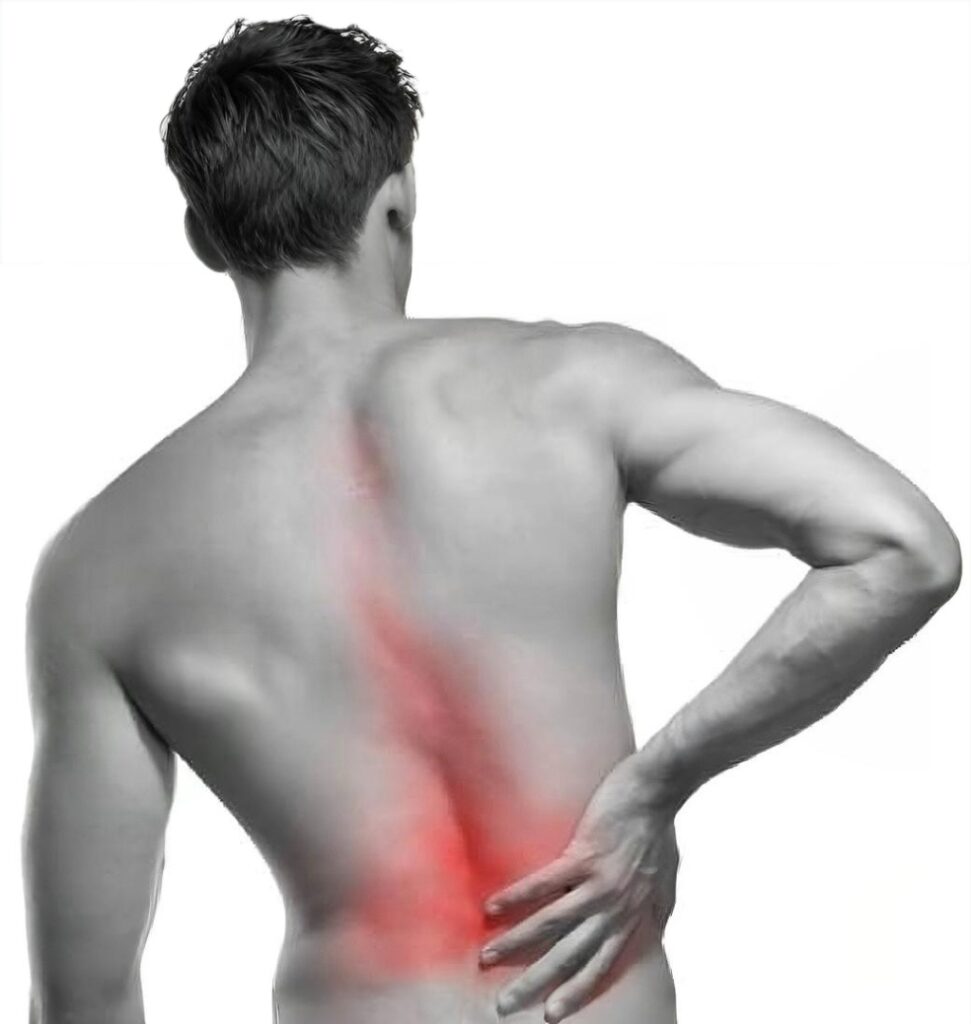
Back pain is one of the most common reasons people seek medical care—and for good reason. Whether it’s a dull ache or sharp, radiating discomfort, this pain this pain can make everyday tasks feel impossible. From sitting at a desk to enjoying a walk, back pain has a way of interfering with how you move, work, and rest.
At the Center for Healing and Regenerative Medicine (CHARM), we take a long-term approach to treating back pain by focusing on the root cause. Our team blends interventional pain management and advanced regenerative therapies with targeted rehabilitation to help restore function, reduce inflammation, and support your body’s natural ability to heal. You don’t have to live with chronic pain—we’re here to help you return to what matters most.
Common Causes of Back Pain We Treat
Back pain can result from a wide range of spinal or structural issues—sometimes due to injury, wear and tear, or age-related changes in the spine. In many cases, pain develops gradually over time or follows a specific strain pattern or movement dysfunction.
Here are some of the most common causes of back pain we treat:
- Herniated or Bulging Discs: When the soft, cushion-like discs between vertebrae shift or rupture, they can press on nearby nerves, causing pain, numbness, or weakness.
- Degenerative Disc Disease: As discs lose hydration and height over time, they may no longer provide adequate support—leading to stiffness, instability, and persistent back pain.
- Facet Joint Arthritis: The small joints that connect each vertebra can develop arthritis, resulting in inflammation, reduced mobility, and localized back pain that often worsens with movement.
- Spinal Instability or Hypermobility: When spinal segments move too much or don’t stay aligned properly, this instability can trigger muscle tension, joint stress, and chronic discomfort.
- Sacroiliac (SI) Joint Dysfunction: The SI joints connect the base of the spine to the pelvis and can become inflamed, unstable, or misaligned, often causing pain in the lower back, hips, or buttocks.
- Post-Surgical Pain: Some patients continue to experience pain after spine surgery—either from scar tissue, residual instability, or unresolved underlying issues.
- Nerve Compression or Radiculopathy: Compressed or irritated spinal nerves—often referred to as radiculopathy—can cause sharp, shooting pain that travels down the leg or arm. This is often mistaken for “sciatica,” which is actually a symptom, not a diagnosis.
Why Back Pain Often Becomes Chronic
Acute back pain doesn’t always heal on its own—and when the true source of the issue isn’t addressed, it can evolve into a chronic condition. Structural instability in the spine, nerve irritation from inflamed joints or herniated discs, and incomplete healing from past injuries are all common culprits. Over time, the body may adapt with muscle compensation or postural shifts, creating new dysfunction and making the pain even harder to resolve.
At CHARM, we understand that managing chronic back pain requires more than temporary relief. That’s why we take a comprehensive, root-cause approach—combining regenerative treatments with personalized rehabilitation plans designed to stabilize the spine, calm irritated nerves, and retrain movement patterns for lasting recovery.
CHARM’s Holistic, Regenerative Approach to Spine Health
The specialists at CHARM begin with a detailed history and comprehensive physical assessment that results in an evaluation that goes beyond symptom management. Our team assesses spine alignment, joint integrity, posture, and movement patterns to identify the true source of pain and dysfunction. We use advanced diagnostics—including ultrasound imaging, x-rays, MRI, and electrodiagnostic testing as required —to create a clear picture of how your spine is performing and why pain may be persisting.
From there, we design an integrated treatment plan that draws on the combined expertise of our regenerative medicine providers, interventional pain specialists, and rehabilitation professionals. This collaborative model allows us to not only relieve pain, but also correct the underlying structural and biomechanical issues causing it.
At CHARM, the goal isn’t just to mask pain—it’s to resolve it at the source and support lasting spine health.
Non-Surgical Treatments for Chronic Back Pain
Once the source of back pain is identified, a musculoskeletal expert can tailor a treatment plan using non-surgical therapies that targets the root cause and supports the body’s natural healing process.
Our regenerative treatment options for chronic back pain include:
- Platelet-Rich Plasma (PRP): PRP involves injecting a concentrated dose of your own platelets into the injured or inflamed spine area. The growth factors in platelets help stimulate healing in damaged discs or joints and strengthen connective tissue, which often contributes to chronic back pain.
- Cell-Based Therapy: This regenerative cellular treatment uses specialized stem cells—derived from your own bone marrow—to support tissue regeneration and reduce pain. It’s especially useful for more advanced degeneration, such as advanced disc disease, or severely arthritic joints.
- Platelet Lysate (PL): A refined version of PRP, platelet lysate contains only the growth factors (not the whole platelets) for a gentler, more targeted anti-inflammatory effect. It’s ideal for treating nerve-related back pain, such as sciatica and radiculopathy.
- Prolotherapy: This injection-based therapy uses a mild irritant (often dextrose) to stimulate the body’s healing response in ligaments and connective tissues. It’s beneficial for back pain caused by instability or laxity in spinal ligaments, encouraging stronger, more supportive tissue over time.
- Redcord® NEURAC Therapy: Redcord® is a neuromuscular re-education system that uses suspension exercises to identify and correct weak or underactive muscle groups. For patients with back pain, Redcord® helps retrain the body’s core stabilizers, improve posture, and restore balanced movement patterns.
- Neufit® Therapy: Neufit® uses targeted direct current electrical stimulation to activate specific muscles and nerve pathways to reduce pain and facilitate recovery. By identifying and treating areas of poor muscle activation or nerve signaling, Neufit® helps reduce muscle tension, optimize range of motion, and re-educate movement patterns.
When to Seek Back Pain Treatment at CHARM
Not all back pain requires immediate medical attention—but when it starts interfering with how you move, work, or rest, it’s time to take it seriously. If you’re experiencing any of the following, our team can help you find the right path forward:
- Recurring or chronic low back or mid-back pain
- Sciatica or nerve pain radiating into hips or legs
- Prior spine surgery with unresolved symptoms
- Seeking to avoid spinal fusion or long-term medications
- Difficulty sitting, standing, or lifting without pain
Don’t Let Back Pain Control Your Life, Let CHARM Help Heal You Today
If you’re ready to address your back pain at its source, the team at CHARM is here to help. With advanced expertise in regenerative medicine, interventional spine care, and rehabilitation, we’re committed to helping you heal—not just manage symptoms.
Our on-site lab services streamline your care, and our Austin-based clinic makes it easy to get expert, patient-centered treatment close to home.
Request your appointment today and discover a comprehensive path to spine health—right here at CHARM.