
Understanding Temporomandibular Joint (TMJ) Disorders
The temporomandibular joint (TMJ) connects your jawbone to your skull. It acts like a sliding hinge, allowing you to speak, chew, yawn, and move your jaw smoothly throughout the day.
When this joint or the surrounding muscles become irritated, inflamed, misaligned, or damaged, it can lead to temporomandibular joint disorder (TMD)—a condition commonly referred to as TMJ.
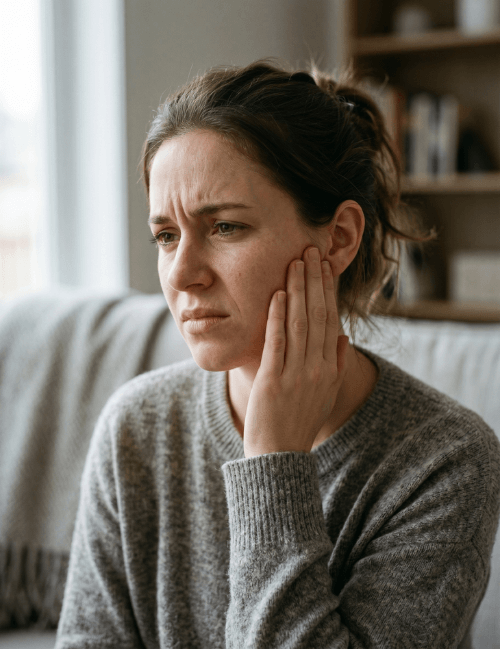
TMJ disorder is more than occasional jaw discomfort. For many people, it becomes a persistent source of pain that interferes with eating, sleeping, and even concentrating at work.
Common symptoms of TMJ include:
- Jaw pain or tenderness
- Difficulty chewing or discomfort while chewing
- Facial pain
- Jaw popping and clicking
- Jaw locking in an open or closed position
- Headaches or facial pressure
- Neck and upper shoulder tension
- Ear pain without signs of infection
If these symptoms persist or worsen, it’s important to seek evaluation. Early diagnosis can help prevent chronic joint damage.
The Types of TMJ Disorders We Treat
TMJ disorder is not a one-size-fits-all condition. At CHARM, we carefully identify the specific source of dysfunction before recommending treatment.
The most common types include:
- Myofascial Pain Disorder (Neuromuscular): This is the most common form of TMJ disorder. It involves pain and tightness in the muscles that control jaw movement. Patients often experience facial soreness, tension headaches, and difficulty fully opening the mouth. The function of the TMJ is closely related to the posture and muscle balance between the shoulder girdle and the cervical spine, as defined by the Upper Cross Syndrome (UCS).
- Internal Derangement of the Joint (Structural): This occurs when the cushioning disc inside the joint shifts out of its normal position. It may cause clicking, popping, or jaw locking. Over time, this can lead to inflammation and worsening dysfunction.
- Degenerative Joint Disease (Arthritis): Arthritic changes in the TMJ can cause cartilage breakdown and lead to chronic inflammation, stiffness, and limited movement. This may develop from long-standing misalignment, trauma, or age-related degeneration.
Each type of care needs a specific and often blended approach for effective treatment.
Common Causes of TMJ Disorder
TMJ disorders can develop from a variety of contributing factors. Often, more than one issue is involved.
Some of the most common root causes include:
- Teeth grinding or clenching (bruxism)
- Jaw injury or trauma
- Chronic stress and muscle tension
- Bite misalignment
- Arthritis / degenerative joint disease
- Poor posture affecting the neck and jaw alignment (Upper Cross Syndrome)
- Connective tissue disorders
In many cases, patients have been told to “live with it” or rely on temporary measures such as night guards or pain medications. While these options may provide short-term relief, they do not always address the underlying joint dysfunction.
How CHARM Diagnoses TMJ Disorder
Getting an accurate diagnosis is essential for lasting relief from jaw pain.
At CHARM, diagnosis may include:
- A detailed medical history review
- Physical examination of jaw motion and muscle tension
- Comprehensive postural assessment
- Evaluation of joint alignment and bite mechanics
- Advanced imaging, when necessary
Because TMJ pain can overlap with headaches, neck pain, or nerve-related discomfort, we take a comprehensive approach. As a pain treatment center, CHARM focuses on identifying the precise source of dysfunction to avoid unnecessary procedures or generalized treatment plans.
Non-Surgical Healing and Treatment Options
- PRP Injections: Platelet-rich plasma, derived from your blood, delivers concentrated growth factors to damaged tissues, accelerating repair and reducing inflammation at the root of your headaches.
- Bone Marrow Aspirate Concentrate (BMAC): BMAC therapy may help reduce chronic headaches and migraines by delivering regenerative cells directly to the structural musculoskeletal issues causing them.
- Image-Guided Injections: All procedures are performed with advanced imaging guidance to ensure accuracy and precision within the small, delicate TMJ.
- Postural Correction / Muscle Balance: Treating the functional aspects of the Upper Cross Syndrome, which commonly contribute to neck and jaw pain, is critical to optimizing the structural treatments above.
Choose CHARM for TMJ Jaw Pain Relief Today
Chronic jaw pain, clicking, or daily headaches aren’t something you have to live with.
At CHARM, we combine advanced diagnostics with regenerative medicine to provide non-surgical solutions designed to restore function and improve quality of life.
If TMJ disorder is limiting your ability to eat comfortably, sleep soundly, or live without constant discomfort, we invite you to take the next step.
Schedule a consultation with CHARM today to receive a comprehensive evaluation and a personalized path toward lasting relief.