
Understanding Ligament or Nerve Injuries
Ligaments and nerves play a critical role in how your body moves, stabilizes, and communicates. When either is injured, even simple movements can become painful, unpredictable, or limited.
Ligament injuries often involve straining or tearing of the connective tissue that stabilizes joints. Nerve injuries, on the other hand, can disrupt how signals travel between the brain and body—leading to pain, weakness, or altered sensation.
Common symptoms of ligament or nerve injuries include:
- Joint instability or a feeling that a joint may “give out”
- Sharp, aching, or radiating pain
- Numbness, tingling, or burning sensations
- Muscle weakness or reduced coordination
- Swelling or localized tenderness
While these symptoms can vary in severity, they often share one common thread: they interfere with your ability to move comfortably and live fully. The key is identifying the root cause early and addressing it with the right approach.
The Types of Ligament or Nerve Injuries We Treat
At CHARM, we treat a wide range of ligament and nerve-related conditions—focusing on restoring stability, improving function, and relieving pain without surgery.
The most common types of ligament or nerve injuries we treat include:
- Ligament Sprains and Partial Tears: Overstretching or micro-tearing of ligaments can lead to joint instability, recurring pain, swelling, and increased risk of reinjury if not properly treated.
- Chronic Ligament Laxity (Instability): When ligaments lose their ability to stabilize a joint over time, patients may experience persistent discomfort, weakness, or mechanical dysfunction leading to arthritis.
- Peripheral Nerve Entrapments: Conditions like carpal tunnel syndrome or cubital tunnel syndrome occur when nerves are compressed, leading to numbness, tingling, and weakness.
- Nerve Irritation or Damage (Peripheral Neuropathy or Trauma): Direct injury, inflammation, or prolonged compression can disrupt nerve signaling, resulting in chronic pain or altered sensation.
- Post-Injury or Post-Surgical Nerve Pain: Even after an injury has “healed,” lingering nerve irritation can continue to cause discomfort or functional limitations.
Every condition presents differently. Our role is to precisely identify what’s driving your symptoms and build a treatment plan that addresses it at its source.
Common Causes of Ligament or Nerve Injury
Ligament and nerve injuries can develop suddenly or gradually, often depending on how the body is stressed over time.
Some of the most common root causes include:
- Acute trauma, such as falls, sports injuries, or accidents
- Repetitive overuse or strain on joints and surrounding structures
- Poor biomechanics or joint misalignment
- Muscle imbalances that place excessive or abnormal stress on ligaments
- Prolonged nerve compression due to posture or imbalanced movement patterns
- Degenerative changes affecting joint stability or surrounding tissues
In many cases, these factors are interconnected. A seemingly minor issue, like poor movement mechanics, can, over time, contribute to both ligament instability and nerve irritation.
That’s why effective treatment requires more than symptom management. It requires a comprehensive understanding of how your body is functioning as a whole.
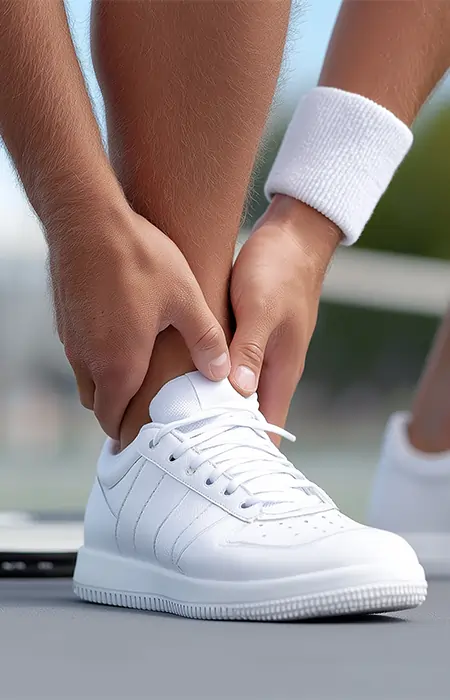
How CHARM Diagnoses Ligament or Nerve Injuries
Accurate diagnosis is the foundation of effective treatment. At CHARM, we take a comprehensive, patient-centered approach to understanding your condition.
Your evaluation may include:
- A detailed medical history to understand symptom patterns and contributing factors
- A focused physical examination assessing joint stability, strength, and nerve function
- Functional movement analysis to identify biomechanical contributors
- Neurological assessment to evaluate sensation, reflexes, and muscle activation
- Advanced imaging, when necessary, to confirm structural or nerve-related findings
This thorough process allows us to move beyond surface-level symptoms and identify the true source of pain—so treatment can be both precise and effective.
Non-Surgical Healing and Treatment Options
Living with ligament or nerve pain can be frustrating. Movements feel uncertain. Pain may linger longer than expected. And in many cases, patients are told surgery is the only option.
At CHARM, we take a different approach.
As a specialized pain treatment center in Austin, we focus on non-surgical, regenerative therapies designed to support the body’s natural healing processes, restoring function while minimizing downtime and risk.
Our ligament and nerve injury treatments may include:
- PRP Injections: Platelet-Rich Plasma, or PRP, uses concentrated platelets from your own blood to deliver growth factors directly to injured ligaments or irritated nerves. This can enhance tissue healing, support collagen production, and improve overall stability.
- Bone Marrow Aspirate Concentrate (BMAC): Often used in combination with PRP, BMAC introduces regenerative cells that may support healing in more advanced or widespread injuries, including ligament damage and complex structural conditions.
- Prolotherapy: This technique stimulates the body’s natural healing response to strengthen weakened ligaments and improve joint stability over time.
- Image-Guided Injections: All injection procedures are performed using advanced imaging, such as ultrasound or fluoroscopy, ensuring precise delivery to the affected ligament or nerve.
- Functional Rehabilitation and Movement Optimization: Addressing underlying movement patterns, muscle imbalances, and joint mechanics is essential for long-term success and prevention of reinjury.
No two injuries—and no two patients—are the same. Every treatment plan at CHARM is carefully tailored to your condition, severity, and long-term goals.
Choose CHARM for Ligament or Nerve Injury Pain Relief Today
Ligament and nerve injuries don’t just affect a single structure; they impact how your entire body moves and functions. Left unaddressed, they can lead to chronic pain, instability, and reduced quality of life.
At CHARM, our focus is simple: identify the root cause, treat it precisely, and help you return to the activities that matter most to you.
Schedule a consultation today to receive a comprehensive evaluation and a personalized, non-surgical path toward lasting relief.